
When an ALTA Title Survey Finds Easements That Change the Deal
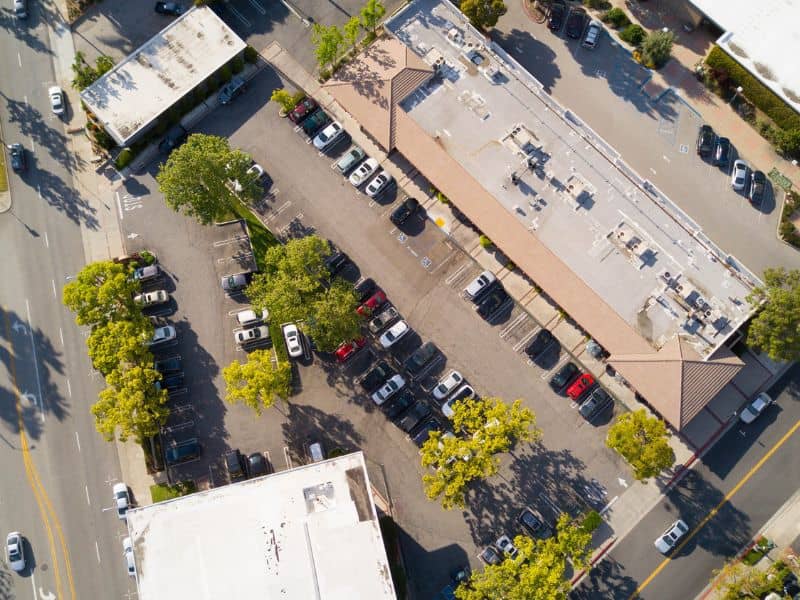
Three weeks before closing, the survey comes back with a dashed line running across the parking lot. The label points to a recorded utility easement nobody mentioned during negotiations. Suddenly the plan to add a drive-thru lane or a second building looks a lot less certain.
An ALTA Title Survey is often where these surprises show up. It maps recorded easements against the real site, so buyers can see how those rights affect buildings, parking, and future plans. Finding an easement doesn’t have to end a deal, but it should change how you evaluate it.
How an ALTA Title Survey Identifies Easements Affecting Commercial Property
An easement is a right that lets someone else use part of a property for a set purpose. Common examples include utility lines, drainage, shared access, and signs. The land still belongs to the owner, but the easement holder keeps certain rights.
The surveyor starts with the title commitment, which lists recorded documents that affect the property. Each easement listed there is reviewed, and the ones that can be located are drawn on the survey. The surveyor also notes field evidence, like manholes, power poles, or worn paths, that may point to unrecorded use.
That side-by-side view makes an ALTA Title Survey especially useful. A written easement can be hard to picture from legal language alone. On the drawing, you can see whether it runs under a building, across the main entrance, or along an unused edge.
When Recorded Easements Conflict With Existing Site Improvements
Conflicts happen when something was built inside an easement area that doesn’t allow it. A building corner may sit over a sewer easement, or a dumpster enclosure may block a recorded access drive. Many of these problems are decades old and went unnoticed until a detailed survey was done.
The risk depends on the easement terms. Some easements let the holder remove anything that blocks their use, sometimes at the owner’s expense. Others are broad or vague, and their effect may need a legal review.
Some conflicts are minor and easy to live with. Others can affect insurance, financing, or daily operations. Conflicts that show up often include:
- Buildings or canopies over utility or drainage easements
- Parking spaces or planters inside access easements
- Signs placed within a utility or right-of-way easement
- Fences or gates that block a neighbor’s recorded access
- Retaining walls or paving over drainage paths
How Easement Restrictions Can Change Development and Expansion Plans
A site that works fine today may not support the plans that made you want to buy it. Easements can limit where you add buildings, expand parking, or place new entrances. On a tight commercial lot, one easement can take away the only space left for growth.
Compare the survey with your development goals early. If you plan to expand, ask your engineer or architect to sketch the new layout on top of an ALTA Title Survey. That simple overlay can show whether the plan still works or needs to change.
Some restrictions are less obvious. An easement may limit grading, block certain uses, or give the holder access for maintenance at any time. Ask your attorney to explain what each easement allows and what it prevents before you count on future plans.
Evaluating Easement Findings Before Renegotiating a Property Purchase
Not every easement is a deal problem. Many are standard utility strips along the edge of the lot that have little effect on use. The ones to focus on are those that touch buildings, parking, access, or planned expansion.
Ask a few direct questions about each concern. Find out who holds the easement and whether it’s still in use. Check what it allows, how wide it is, and whether it can be moved or released. Then look at how it affects the property’s income, layout, or future value.
Depending on the answers, buyers may ask for a lower price, seller action, an extended due diligence period, or help getting the easement changed. Your purchase contract controls which options you have, so review it with your attorney. Survey timing matters here, since a late survey can leave little room to negotiate.
Resolving Survey and Title Concerns Before Commercial Closing
Most easement issues get handled through the title company, the attorneys, and sometimes the easement holder. Options may include a partial release, a relocation agreement, a title endorsement, or a lender waiver. What’s available depends on the easement, the title insurer, and the lender.
Keep the surveyor in the loop as these talks move forward. If an easement is relocated or released, the survey may need an update to reflect the change. Lenders and title companies often want the final drawing to match the final recorded documents.
Order the survey early so there’s time for this work. Recording documents and collecting signatures from outside parties can take longer than expected. If your closing date depends on resolving an easement issue, confirm the timeline with every party involved.
Frequently Asked Questions
What types of easements can an ALTA title survey reveal?
It can reveal utility, drainage, access, sign, and maintenance easements that are recorded against the property. Shared parking and cross-access agreements may also appear. The surveyor shows the easements that can be located from their recorded descriptions. Field evidence of unrecorded use, such as utility lines or worn paths, may also be noted.
Can an easement discovered during an ALTA survey delay a commercial closing?
Yes, it can. If the easement conflicts with buildings, access, or lender requirements, the parties may need time to review it and agree on a fix. Releases, relocations, and title endorsements can each add steps. Ordering the survey early gives you the best chance of keeping your original closing date.
How do recorded easements affect the value of commercial property?
An easement can lower value if it limits use, blocks expansion, or cuts into income. Others have little effect, especially when they run along unused edges of the lot. An ALTA Title Survey shows where each easement sits so appraisers, lenders, and buyers can judge its impact. An appraiser or real estate professional can help estimate how much value is affected.
Can buyers renegotiate a purchase after an ALTA survey identifies easement restrictions?
Often, yes, depending on your contract terms and due diligence period. Many commercial contracts let buyers object to survey or title findings within a set time. Buyers may ask for a price change, seller action, or more time to resolve the issue. Review your options with your attorney before any deadlines pass.
What should buyers do when an ALTA title survey reveals an unexpected easement?
Start by getting a copy of the recorded easement and reviewing it with your attorney. Ask your surveyor to explain exactly where it sits and which improvements it affects. Talk with your title company and lender about how they plan to treat it. Then decide whether to accept it, negotiate, or seek a release or relocation.